
BFFS Scholar Quest
Study at Harvard, MIT, Princeton, Stanford & More! Explore Fully Funded Scholarships for STEM, Nursing, AI, Business, Engineering & Top Programs!
Volunteer Work Scholarships: Unlock Free Education in 2025
Want to pay for college while making a real impact in your community? Volunteer work scholarships give that chance and more. Imagine getting help with tuition by rolling up your sleeves and giving back. Many students have swapped hours for dollars, easing the college cash crunch and building skills that stand out. Here’s a secret: some programs award thousands of dollars just for a few months of service, turning goodwill into gold. This info is perfect for go-getters who care about their neighborhood and want a smarter way to fund their education. Dive in and discover how helping others can fill your wallet too.
These awards recognize students who give back through service and community involvement.
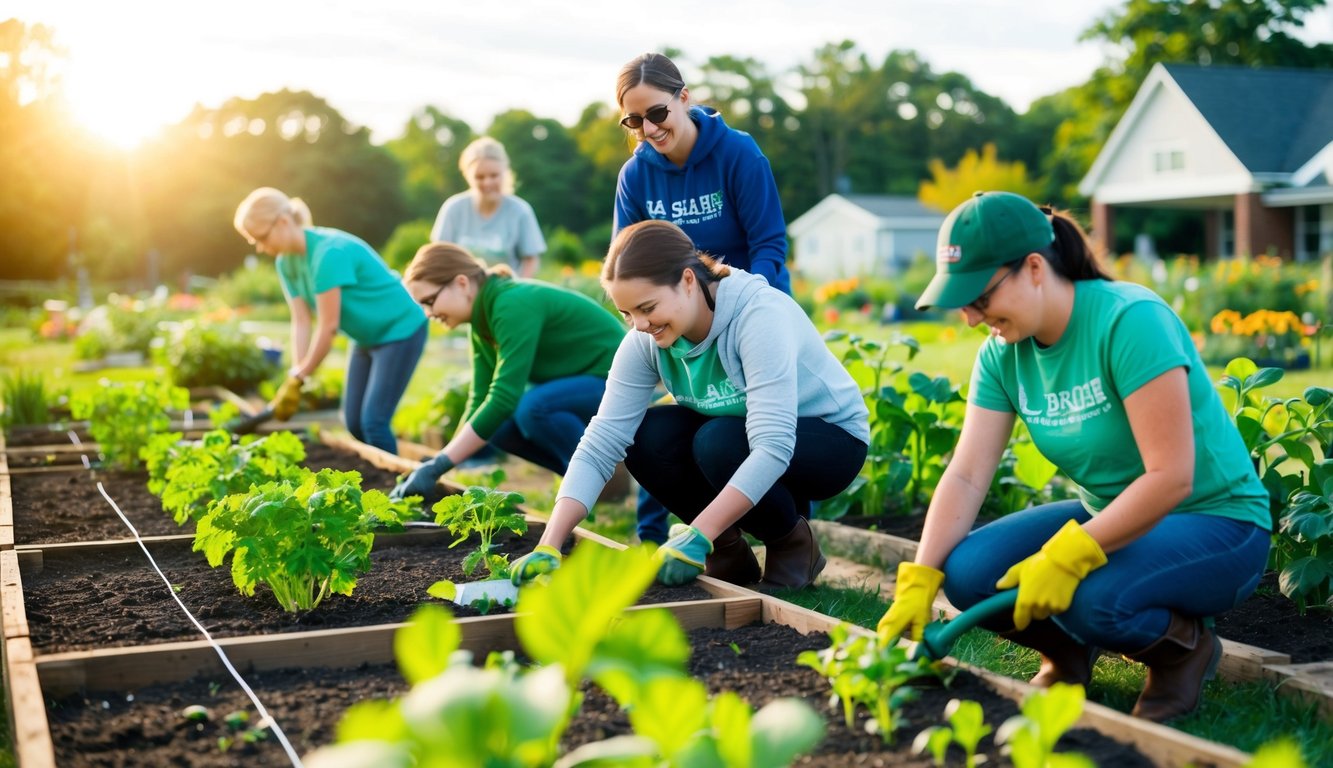
Many organizations provide scholarships for volunteerism, allowing you to turn your passion for helping others into financial support for your education. Some focus on specific types of service, while others consider a range of volunteer activities.
The main eligibility factors tend to be community service, leadership, and dedication to making an impact.
Applying for volunteer scholarships can boost your college fund and highlight your commitment to social responsibility. It’s a chance to showcase your values and experiences while easing the financial burden of higher education.
As you explore these options, think about how your volunteer work aligns with scholarship goals and how you can best present your service achievements.
Key Takeaways
- Volunteer work scholarships reward students for community service
- These awards can help fund your education while recognizing your contributions
- Applying allows you to showcase your values and service experiences
Understanding Volunteer Work Scholarships
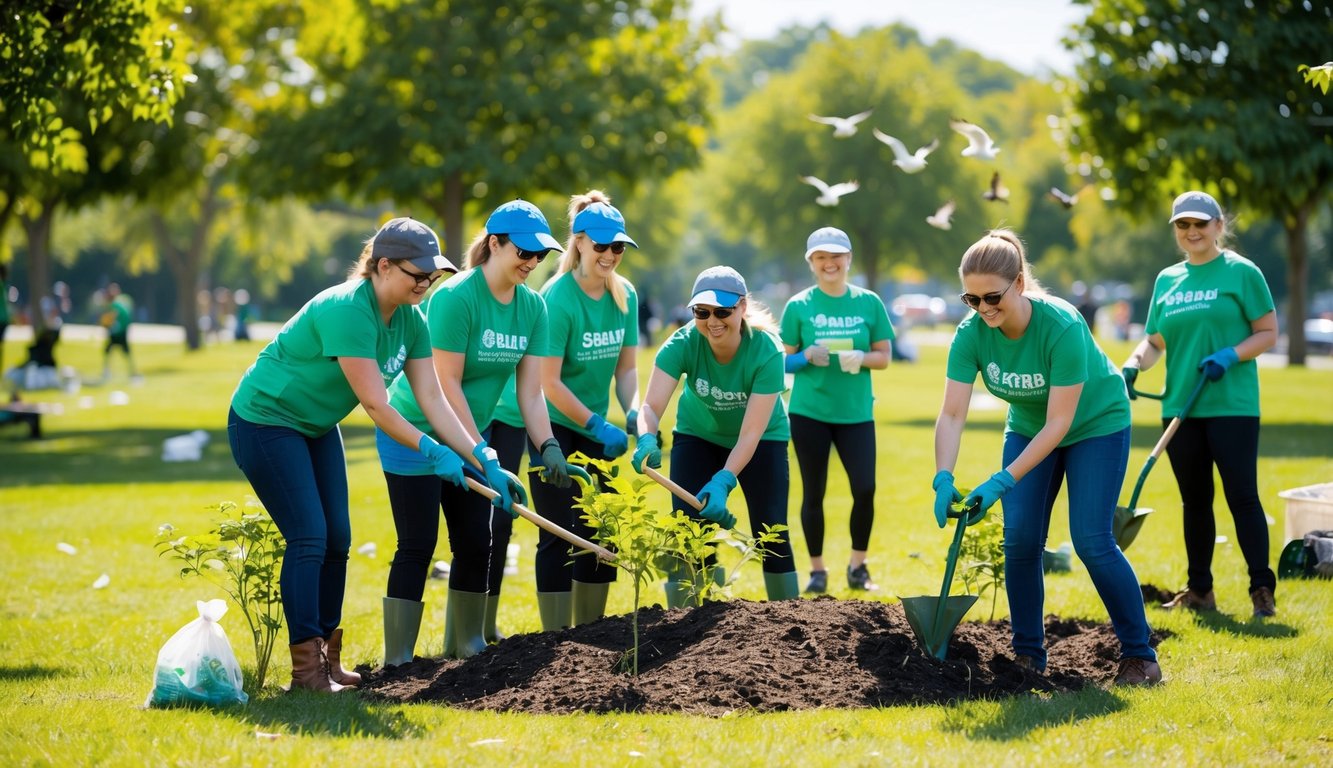
Volunteer work scholarships reward students who give back to their communities. These awards help pay for college while encouraging civic engagement.
Eligibility Requirements and Criteria
To qualify for volunteer scholarships, you typically need to show a strong record of community service. Many programs look for 50-100 hours of volunteer work per year.
Some key criteria include:
- Documented volunteer hours
- Leadership roles in service projects
- Impact of your volunteer efforts
- GPA requirements (often 3.0+)
- Essay describing your service experiences
Scholarship committees want to see genuine commitment to helping others. Quality of service often matters more than quantity of hours. Focus on making a real difference through your volunteer work.
Types of Volunteer Scholarships
You can find many different scholarships for community service. Some common types include:
- Local awards from community groups
- National programs like Prudential Spirit of Community Awards
- College-specific service scholarships
- Scholarships for specific types of volunteering (e.g. environmental work)
Award amounts vary from small $500 grants to full-tuition scholarships. The Bonner Leader Program offers 4-year scholarships at select colleges for students committed to ongoing service.
Some programs also combine volunteer work with leadership development. These can boost your resume while helping pay for school.
Application Components for Scholarships

Applying for scholarships requires careful preparation of key documents. These components showcase your achievements, goals, and character to selection committees.
Crafting a Personal Essay
Your personal essay is a chance to tell your unique story. Focus on:
- Your motivations and passions
- Specific examples of your achievements
- How the scholarship will help you reach your goals
Keep your essay clear and concise. Use vivid details to bring your experiences to life. Proofread carefully to catch any errors.
Pro tip: Have someone else review your essay for feedback.
Securing Strong Letters of Recommendation
Letters of recommendation give scholarships insight into your character and abilities. Choose recommenders who know you well, like teachers or supervisors.
Give them plenty of time to write the letter and provide your recommenders with:
- A copy of your resume
- The scholarship requirements
- Specific accomplishments you’d like mentioned
Follow up with a thank you note after they submit the letter.
Using Scholarship Search Engines Effectively
Scholarship search engines help you find opportunities that match your profile. Create detailed profiles on 2-3 top sites like Fastweb or Scholarships.com.
Tips for success:
- Update your profile regularly
- Set email alerts for new matches
- Apply to scholarships early and often
- Track application deadlines in a calendar
Did you know? Some engines let you save and reuse essays for multiple applications.
Prominent Volunteer Scholarship Programs
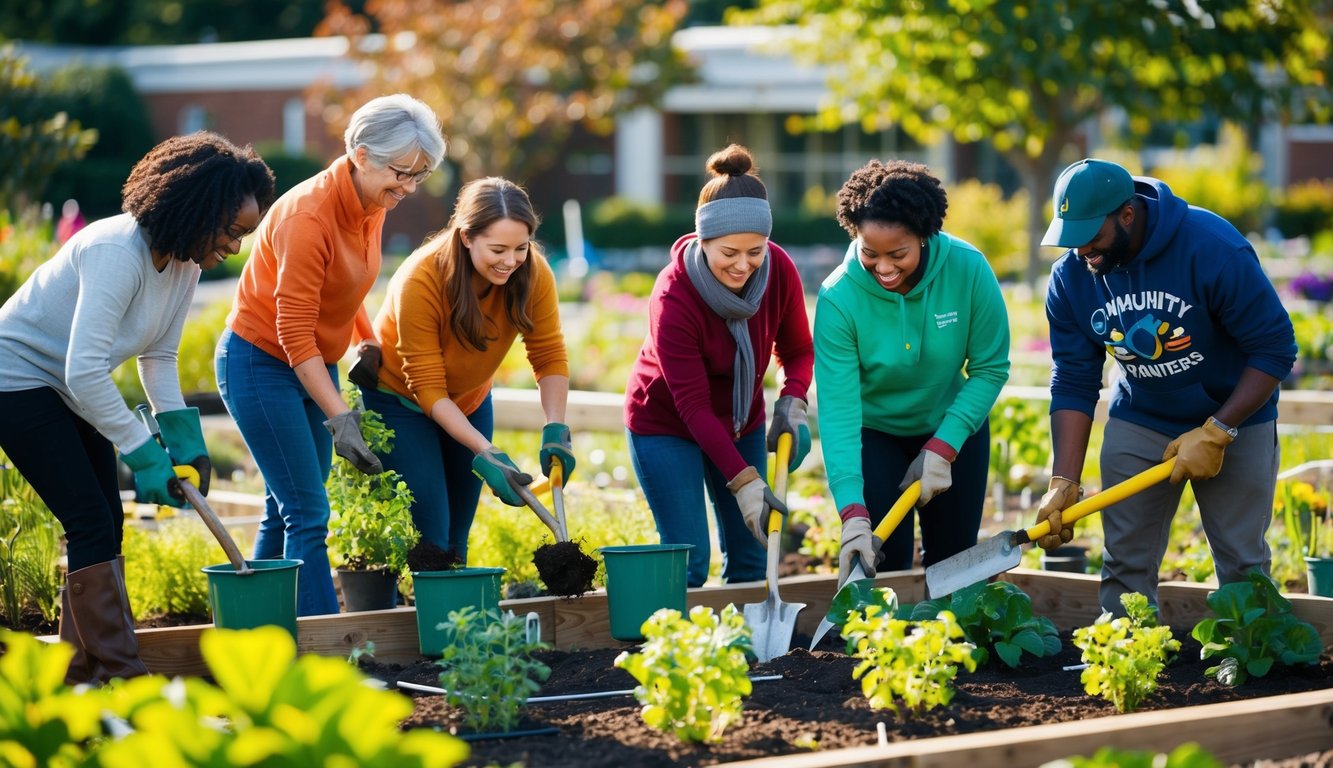
Many organizations offer scholarships to students who give back to their communities. These programs reward young people for their service and help fund their college education.
AmeriCorps and Segal AmeriCorps Education Award
AmeriCorps is a national service program that lets you earn money for college while helping communities. When you finish a term of service, you get the Segal AmeriCorps Education Award.
This award can pay for college, vocational training, or repay student loans.
The amount changes yearly based on Pell Grants. For 2024-2025, a full-time award is $7,395. You can use it at over 4,000 schools and training programs. The award is good for 7 years after you finish your service.
AmeriCorps has different service options:
- AmeriCorps State and National
- AmeriCorps VISTA
- AmeriCorps NCCC
Each program has its own focus and length of service. You can pick one that fits your interests and goals.
Princeton Prize in Race Relations
The Princeton Prize in Race Relations honors high school students who work to improve race relations. You can win up to $1,000 and a trip to Princeton University.
To apply, you need to:
- Be in grades 9-12
- Live in the U.S.
- Have done a project that improves race relations
The prize looks for projects that:
- Increase understanding between races
- Work against racism
- Solve conflicts related to race
Winners join a network of students committed to racial justice. They get to attend a symposium at Princeton to share ideas and learn from each other.
Maximizing Your Volunteer Impact
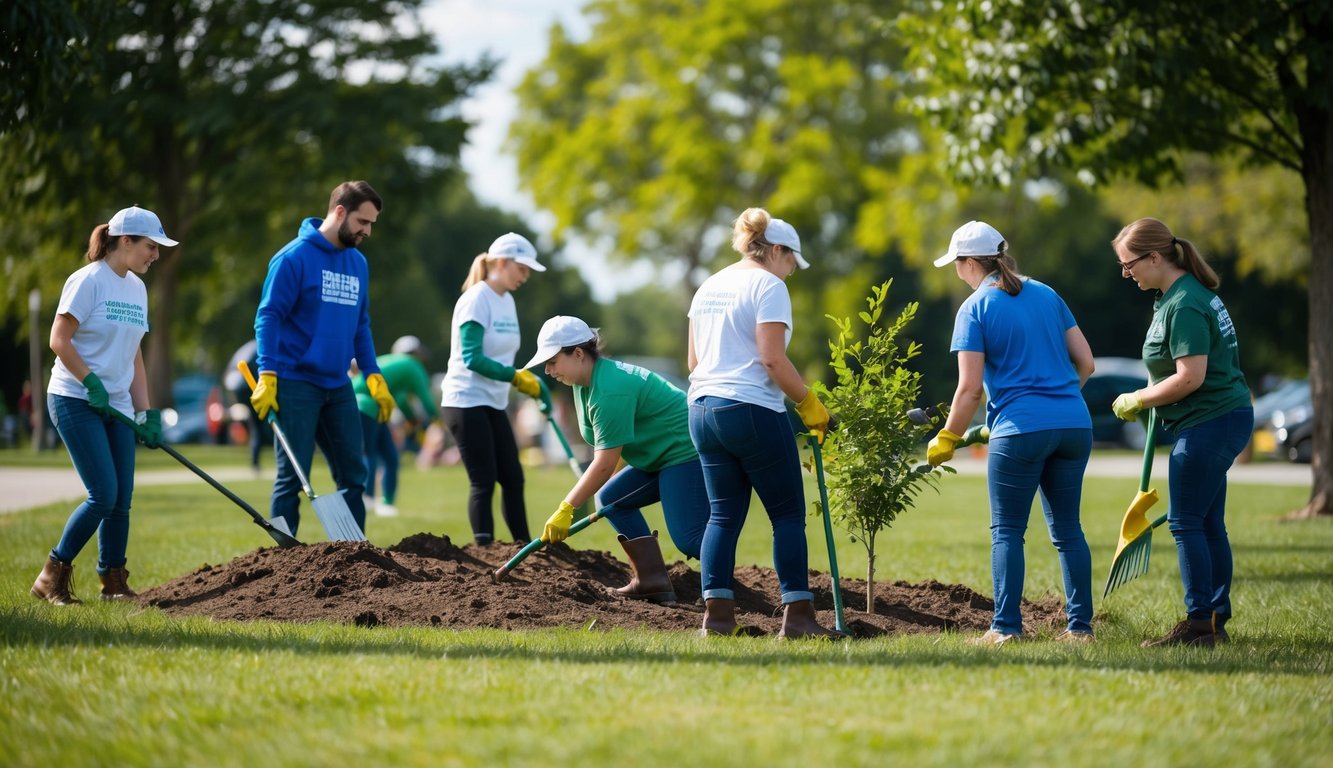
Volunteering can boost your chances of winning scholarships while making a real difference.
Focus on meaningful projects that align with your interests and skills.
Volunteer Opportunities for High School Seniors
High school seniors have many ways to volunteer. Here are some ideas:
- Tutor younger students in subjects you excel in
- Help at local food banks or soup kitchens
- Organize clothing or supply drives for those in need
- Assist with community clean-up or beautification projects
- Volunteer at hospitals, nursing homes, or hospice centers
Pick causes you care about. This makes the work more rewarding and helps you stand out to scholarship committees.
Track your hours and impact. Many scholarships value long-term commitment to a cause over one-time events.
Contributions to Community Centers and Animal Shelters
Community centers and animal shelters always need volunteers.
At community centers, you could:
- Lead after-school programs for kids
- Teach computer skills to seniors
- Help with building maintenance or repairs
- Organize community events or fundraisers
For animal shelters, try:
- Walking dogs and socializing cats
- Helping with adoption events
- Cleaning cages and feeding animals
- Assisting with administrative tasks
These roles build leadership and teamwork skills. They show scholarship committees your ability to take initiative.
Volunteer work proves your commitment to helping others. This makes you stand out as a caring, engaged student.
Financial Planning for Higher Education

Planning for college costs is key. You need to think about tuition, fees, books, housing, and other expenses.
Start by looking at your family’s finances and savings.
Next, explore financial aid options. Fill out the Free Application for Federal Student Aid (FAFSA). This form helps determine your financial need for grants and loans.
Consider these funding sources:
- Scholarships
- Grants
- Work-study programs
- Federal student loans
- Private student loans
Make a budget to track college expenses. Include:
- Tuition and fees
- Room and board
- Books and supplies
- Personal expenses
- Transportation
Look for ways to cut costs. You could:
- Attend community college first
- Choose an in-state public school
- Live at home
- Buy used textbooks
Start saving early if possible. Even small amounts add up over time. Look into 529 college savings plans or Coverdell Education Savings Accounts.
Be careful with student loans. Borrow only what you need. Federal loans often have better terms than private ones. Make a plan to repay your student loan debt after graduation.
Talk to your school’s financial aid office. They can help you find more ways to pay for college.
Remember, planning ahead can make college more affordable.
Building Leadership Skills Through Volunteering

Volunteering offers great chances to grow as a leader. It helps you learn to guide others and make good choices while helping your community.
Importance of Leadership in Community Service
Leadership skills are key in community service. As a volunteer, you often need to step up and take charge of projects or teams.
This gives you real practice in guiding others and making plans.
You learn to work with different types of people when you volunteer. This helps you get better at talking to others and solving problems. These are skills that bosses and schools look for.
Volunteering also teaches you how to make tough choices. You might need to figure out how to use limited money or supplies. This helps you think on your feet and be more sure of yourself.
Many groups give out scholarships for volunteer work. They know that people who help others often make good leaders. Your volunteer work can show that you care about your community and know how to get things done.
Scholarship Application Strategies
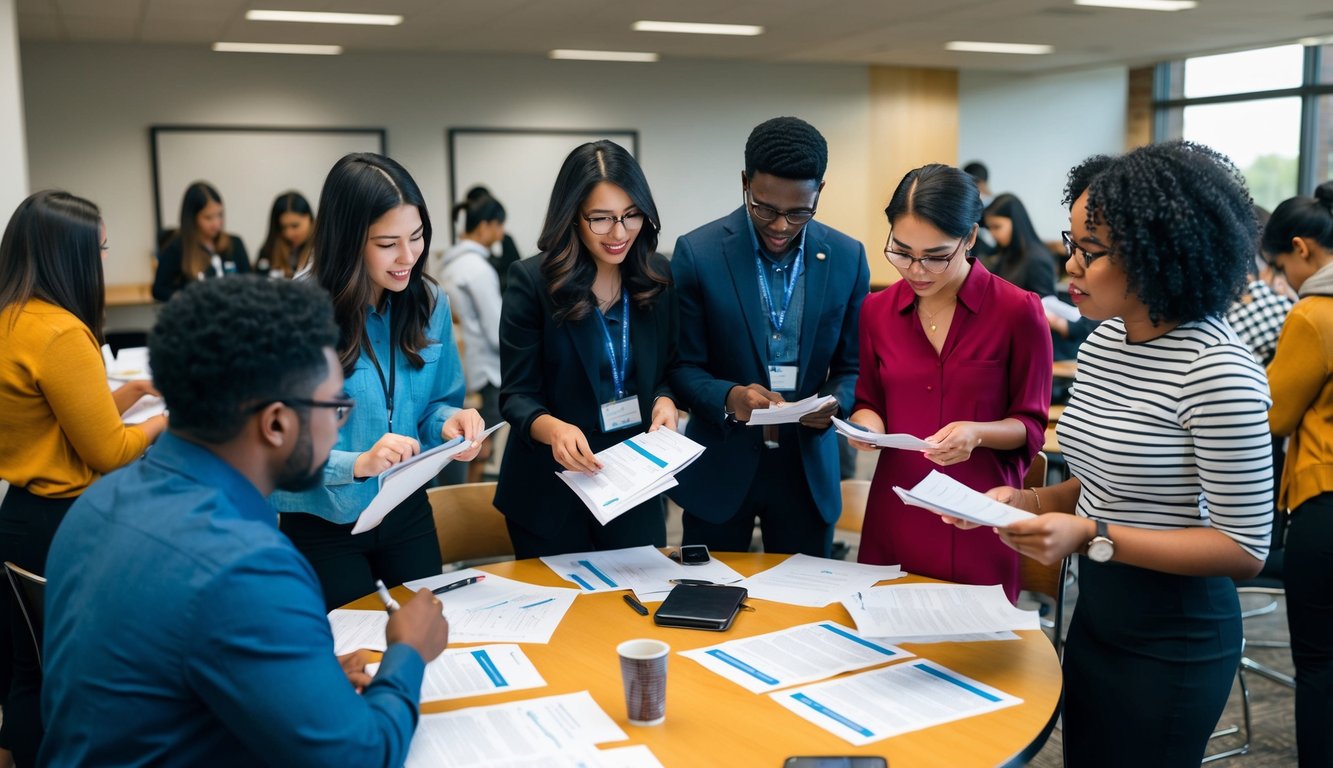
Getting scholarships for volunteer work takes planning and effort. Here are key ways to boost your chances of winning awards for your community service.
Navigating the Guidance Office Resources
Your school’s guidance office can be a big help for finding volunteer scholarships. Ask your counselor about local awards for community service. They often have lists of opportunities and deadlines.
Check bulletin boards for flyers about service scholarships too.
Look through scholarship books in the guidance office. Many list awards for volunteers. Take notes on requirements and due dates. Ask if your school has any special partnerships with local groups that offer volunteer scholarships.
Don’t forget online resources. Your guidance office may have access to scholarship search sites. Use these to find more options based on your service work.
Tracking Community Service Hours
Keeping good records of your volunteer work is key. Make a spreadsheet or use an app to log your hours.
Note the date, organization, and tasks for each session. Get a supervisor to sign off on your hours if possible.
Take photos of yourself volunteering when appropriate. These can help bring your service to life in applications.
Save any certificates or awards you get for volunteering.
Write short descriptions of what you did and learned from each volunteer experience. This will help when you need to write essays. Track both one-time and ongoing service. Even small acts can add up over time.
Post-Acceptance Processes

Getting a scholarship is just the start. You need to fulfill certain requirements to keep it.
Enrollment in an Accredited Institution
After winning a scholarship, you must enroll in an accredited institution. This means a school that meets set standards for education quality. The scholarship provider will check if your chosen school is on their approved list.
You should:
• Confirm your school’s accreditation status
• Send proof of enrollment to the scholarship provider
• Check if there are rules about full-time vs. part-time status
Some scholarships, like those from the Horatio Alger Association, may have specific school requirements. Always read the fine print of your award terms.
Maintaining Scholarship Eligibility
Keeping your scholarship often means meeting ongoing criteria. Your GPA is usually key. Many scholarships require you to maintain a certain grade average, often 3.0 or higher.
Other common requirements include:
• Taking a full course load each term
• Staying in a specific major or program
• Doing community service hours
You’ll likely need to send regular updates to the scholarship provider. This could mean submitting transcripts each semester or year. Some providers may ask for progress reports from your professors.
Be aware that failing to meet these requirements can result in losing your scholarship. If you’re struggling, reach out to your scholarship coordinator. They might offer help or extensions in some cases.
Frequently Asked Questions

Students can find many scholarships for volunteer work. These awards look at service hours, types of projects, and impact on communities. Let’s explore some common questions about volunteer scholarships.
What are the eligibility criteria for community service scholarships for high school students?
Most community service scholarships for high school students require:
- A minimum GPA (often 3.0 or higher)
- Proof of volunteer hours (usually 50-100 hours per year)
- An essay about your service experiences
- Letters of recommendation
Some scholarships may also ask for:
- Leadership roles in volunteer projects
- Specific types of service (e.g. environmental, healthcare)
- Commitment to continue volunteering in college
How can college students find scholarships related to volunteer work?
College students can find volunteer scholarships through:
- Your school’s financial aid office
- Online scholarship databases like Scholarships360
- Local community foundations and nonprofits
- National service organizations (Rotary Club, Kiwanis, etc.)
Pro tip: Look for scholarships that match your specific volunteer interests or career goals.
Are there specific volunteer scholarships available for high school seniors?
Yes, many scholarships target high school seniors with volunteer experience. Some options include:
- The Prudential Spirit of Community Awards
- The Gloria Barron Prize for Young Heroes
- The Coca-Cola Scholars Program
These programs often look for students who have made a big impact through their service projects.
Can you list some national community service scholarships open in 2024?
Here are some national volunteer scholarships to consider for 2024:
- Bonner Scholars Program
- Do Something Scholarships
- Points of Light Youth Leadership Institute
- Stephen J. Brady Stop Hunger Scholarships
Remember: Application deadlines vary, so check each program’s website for current dates.
What organizations offer scholarships for students with extensive volunteer hours?
Several groups reward students with many volunteer hours:
- AmeriCorps
- United Way
- Habitat for Humanity
- Local hospitals and healthcare systems
- Environmental organizations like the Sierra Club
These groups often have both local and national scholarship programs.
How can students in Florida apply for local community service scholarships?
Florida students can find local volunteer scholarships by:
- Checking with your school guidance office.
- Contacting Florida community foundations.
- Looking into programs from Florida-based companies.
- Exploring scholarships from state universities.
The Florida Bright Futures Scholarship also rewards community service. It offers different award levels based on service hours completed.