Forbes New Ivies 2025: Carnegie Mellon University CMU Leads in AI and Robotics Innovation
Looking to study at a top STEM college with top notch tech programs like Forbes New Ivies 2025 Carnegie Mellon?
Carnegie Mellon University has earned its place on the prestigious Forbes New Ivies list for 2025, as CMU aims to compete with top private and public universities.
This list includes 19 other exceptional institutions that employers increasingly value as much as traditional Ivy League schools.
Forbes highlights CMU’s standing among private new ivies´ outstanding academic programs, particularly in computer science, engineering, and business fields that drive today’s innovation economy.
Carnegie Mellon’s consistent appearance on the Forbes New Ivies list demonstrates its growing reputation as an institution that combines rigorous academics with exceptional career outcomes.
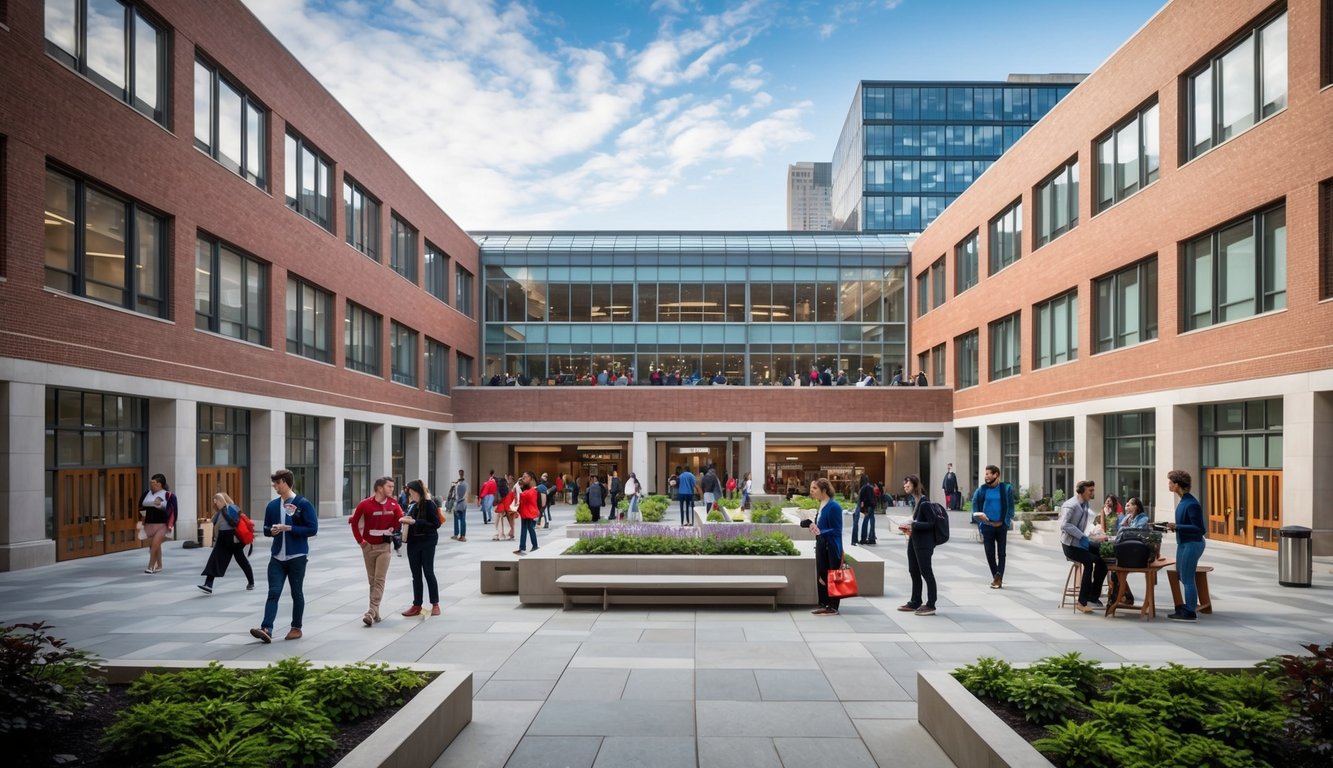
The Pittsburgh-based university stands out for its unique approach to education that blends technical expertise with creative thinking.
While traditional Ivies focus on liberal arts foundations, CMU has built its reputation on technological innovation and interdisciplinary collaboration.
This distinctive educational model has made Carnegie Mellon graduates particularly attractive to employers in technology, finance, and consulting sectors.
Key Takeaways
- Carnegie Mellon has been recognized as a “New Ivy” by Forbes for its exceptional academic quality and strong employer reputation.
- CMU’s innovative programs in technology, engineering and business prepare students for high-demand careers with impressive starting salaries.
- The university combines rigorous technical education with creative thinking that makes graduates especially valuable in today’s job market.
Defining the Forbes New Ivies in 2025
Forbes Magazine has identified select universities that rival the academic excellence and employer recognition of traditional Ivy League schools.
These institutions demonstrate exceptional selectivity, academic rigor, and remarkable post-graduate outcomes.
Carnegie Mellon University as a Forbes New Ivy 2025
Carnegie Mellon University (CMU) has earned its place among the Forbes New Ivies 2025 through its outstanding academic reputation and industry connections.
Located in Pittsburgh, Pennsylvania, CMU has transformed from a regional technical institute to a global leader in education.
Forbes New Ivies 2025 recognizes how Carnegie Mellon particularly excels in top nationwide computer science, engineering, business, and fine arts programs.
With a median SAT score of 1520 and an acceptance rate below 15%, CMU’s selectivity rivals traditional Ivy League institutions.
What truly distinguishes CMU is its strong industry partnerships with tech giants and financial institutions.
Companies like Google, Apple, and Goldman Sachs actively recruit CMU graduates, offering starting salaries that average $92,000 for bachelor’s degree holders.
The university’s interdisciplinary approach to education creates graduates who can navigate complex problems across different fields.
This practical, innovative education model has helped CMU maintain its reputation alongside institutions such as Vanderbilt. gain recognition as an education powerhouse.
Criteria for New Ivy Designation
To qualify as a “New Ivy,” universities must demonstrate exceptional performance across several key metrics.
Academic excellence serves as the foundation, with institutions requiring high median test scores (SAT 1500+ or ACT 33+) and selective admission rates.
Career outcomes play a crucial role in the designation. Schools must show:
- Strong graduate employment rates (90%+ within 6 months)
- Impressive starting salaries comparable to Ivy graduates
- Active recruitment by prestigious employers
Research output and innovation contribute significantly to New Ivy status. Universities must demonstrate:
- Substantial research funding
- Faculty recognition (Nobel Prizes, MacArthur Fellowships)
- Patents and commercial innovations
Student quality and diversity round out the evaluation criteria, with schools needing to attract top students from diverse backgrounds.
The Forbes methodology weights these factors to identify institutions that truly deliver Ivy-caliber education and outcomes.
History and Evolution
The concept of “New Ivies” emerged in the early 2000s as certain universities began matching or exceeding the traditional Ivy League in specific metrics.
Newsweek first popularized the term in 2006, highlighting 25 schools with growing prestige.
The original Ivy League, formed in 1954, consists of eight prestigious Northeastern universities known for academic excellence, selective admissions, and strong alumni networks.
These schools—Harvard, Yale, Princeton, Columbia, Brown, Dartmouth, Cornell, and University of Pennsylvania—have maintained their elite status for decades.
However, the higher education landscape has evolved significantly.
Rising costs at traditional Ivies have created opportunities for other institutions to demonstrate superior value.
Additionally, employer priorities have shifted toward skills and innovation rather than just prestigious names.
Carnegie Mellon exemplifies this evolution, transforming from a regional technical school into a global leader in computer science and robotics, attracting the best and brightest students.
Its rise reflects broader changes in education, where practical skills and innovation increasingly matter alongside academic reputation, which reflects being chosen among 20 schools that rival the Ivy League education.
Carnegie Mellon University’s Academic Excellence
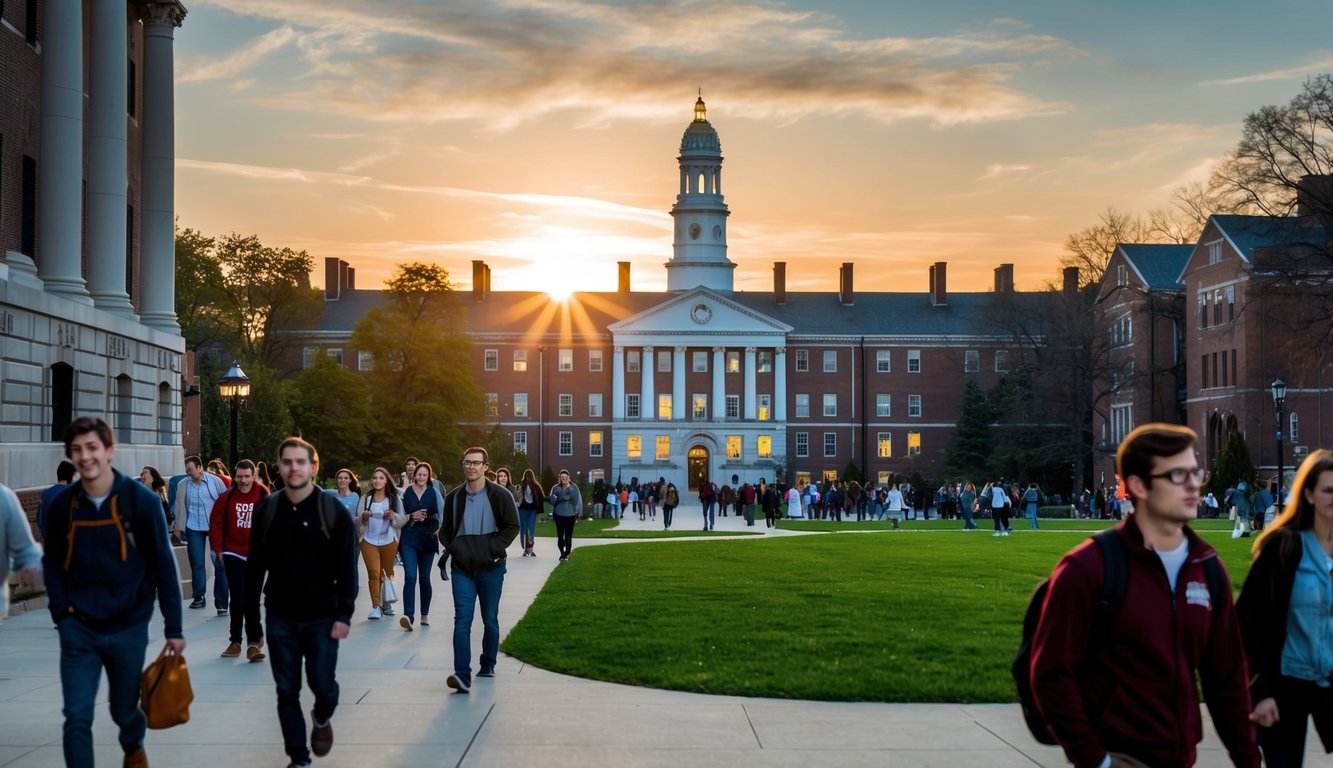
Carnegie Mellon University (CMU) stands out for its exceptional academic programs, impressive research output, and outstanding graduate outcomes.
The Pittsburgh-based institution has earned its spot among Forbes’ New Ivies due to its unparalleled commitment to innovation and interdisciplinary education, where top employers hiring ivy league graduates often prefer the best and brightest from Forbes New Ivies.
Undergraduate Programs
Carnegie Mellon offers world-class undergraduate degrees across seven colleges spanning computer science, engineering, business, fine arts, humanities, and sciences.
The School of Computer Science consistently ranks among the top 3 programs nationally, pioneering advances in artificial intelligence and robotics.
Students benefit from a 15:1 student-faculty ratio, ensuring personalized attention from leading experts in their fields.
The undergraduate experience emphasizes hands-on learning through:
- Project-based coursework
- Research opportunities beginning freshman year
- Industry partnerships providing real-world application
- Cross-disciplinary collaboration
CMU’s innovative curriculum combines technical expertise with creative thinking.
For example, the Information Systems program blends business strategy with technical skills, while the Bachelor of Computer Science and Arts integrates technology with creative disciplines.
Graduate Success
CMU graduates achieve remarkable career outcomes, with over 93% of students securing employment or graduate school admission within six months of graduation.
The average starting salary for CMU graduates exceeds $92,000, with computer science graduates often commanding over $120,000.
Top employers recruiting CMU talent include:
| Company | Annual Hires | Avg. Starting Salary |
|---|---|---|
| 75+ | $128,000 | |
| Amazon | 60+ | $122,000 |
| Microsoft | 45+ | $125,000 |
| JPMorgan Chase | 40+ | $95,000 |
The university’s strong alumni network spans globally, with graduates holding leadership positions at Fortune 500 companies and prestigious research institutions.
Students benefit from the Career and Professional Development Center, which facilitates over 700 recruiting events annually.
Research Contributions
CMU’s research enterprise generates groundbreaking innovations across disciplines.
The university secures over $400 million in annual research funding, supporting pioneering work in artificial intelligence, robotics, cybersecurity, and sustainable energy.
Faculty members have received prestigious accolades including recognition from ivy league candidates.
- 13 Turing Award winners
- 21 members of the National Academy of Sciences
- 24 members of the National Academy of Engineering
- Numerous MacArthur “Genius” Fellows
The Robotics Institute, founded in 1979, represents the world’s largest robotics research center.
Recent breakthroughs include autonomous vehicle technology adopted by major manufacturers and medical robotics systems improving surgical outcomes.
The university’s interdisciplinary research centers tackle complex global challenges, from the Block Center for Technology and Society examining technology’s societal impact to the Scott Institute for Energy Innovation developing sustainable energy solutions.
Admissions at Carnegie Mellon University
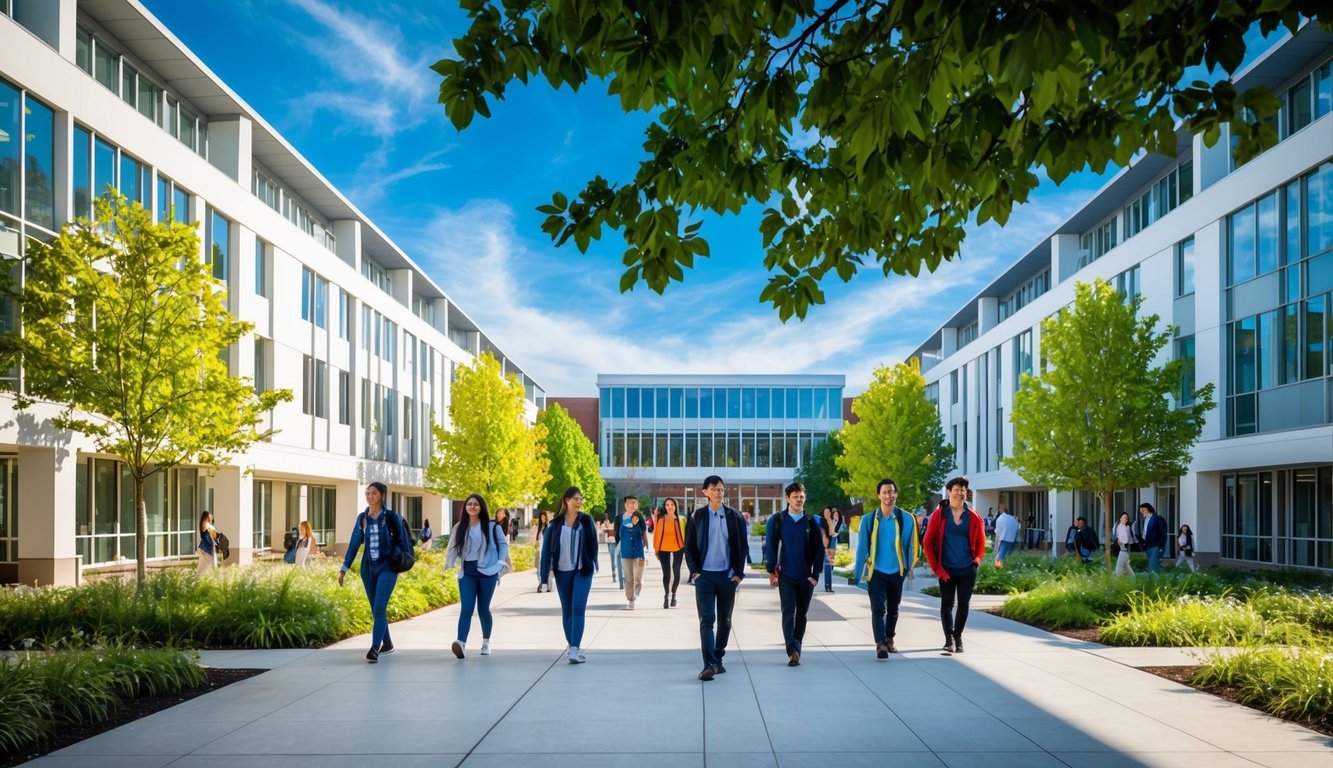
Carnegie Mellon University’s admissions process is highly selective, reflecting its status as a Forbes New Ivy.
With acceptance rates dropping in recent years, the university looks for students who demonstrate exceptional academic ability and align with the institution’s innovative spirit.
Undergraduate Admissions at The Top 10 Public and 10 Private Institutions on Forbes New Ivies 2025 List
Carnegie Mellon’s undergraduate admissions have become increasingly competitive, with an influx of applications from ivy league candidates. acceptance rate of approximately 11% for the 2024-2025 academic year.
The middle 50% of admitted students typically present SAT scores between 1500-1570 and ACT scores between 33-35, positioning CMU among the most selective institutions nationwide.
The university employs a holistic review process that evaluates:
- Academic performance and rigor
- Standardized test scores (optional for most programs since 2021)
- Extracurricular achievements at CMU are recognized in the Forbes survey of top universities, alongside those of ivy league graduates.
- Personal essays
- Letters of recommendation
Each of CMU’s seven colleges maintains program-specific requirements.
The School of Computer Science and College of Engineering are particularly competitive, with acceptance rates below 7%.
Graduate Admissions
Graduate admissions at Carnegie Mellon vary significantly by program, with the most selective departments accepting fewer than 5% of applicants.
The university offers over 100 graduate programs across its colleges, each with distinct requirements and evaluation criteria.
Most graduate programs require:
- Bachelor’s degree from an accredited institution
- GRE scores (though many programs now waive this requirement)
- Statement of purpose
- Letters of recommendation
- Portfolio or research samples (for relevant programs)
CMU’s graduate programs in computer science, robotics, and artificial intelligence consistently rank among the nation’s best, drawing thousands of qualified applicants annually.
Admissions Policies
Carnegie Mellon employs a need-blind admissions policy for domestic students, evaluating applications without considering financial need.
The university meets 100% of demonstrated need for admitted students, though the competitive package typically includes loans alongside grants.
CMU offers both Early Decision (binding) and Regular Decision application options.
For the 2025-2026 cycle, Early Decision applicants face a November 1st deadline with decisions released by December 15th.
Regular Decision applications are due January 5th, with results announced by April 1st.
International students comprise approximately 22% of the undergraduate population, reflecting CMU’s commitment to global diversity.
The university maintains its high academic standards for international applicants while additionally requiring English proficiency tests (TOEFL/IELTS) for non-native speakers.
Comparing Carnegie Mellon With Traditional Ivies
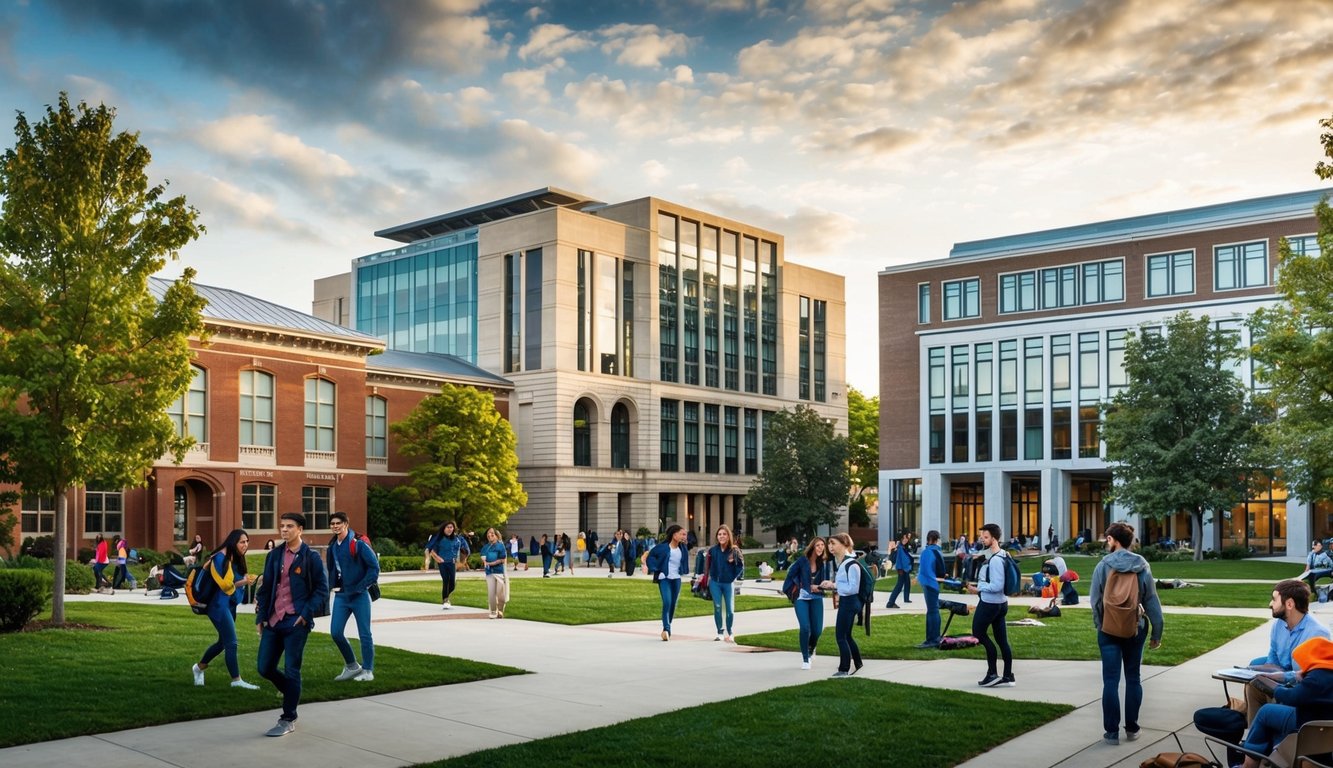
Carnegie Mellon University (CMU) stands apart from Ivy League institutions with its distinctive blend of technological innovation and creative arts education.
While traditional Ivies built their reputations over centuries, Carnegie Mellon University has rapidly emerged as a powerhouse in fields that define our modern economy, much like the University of North Carolina.
Educational Philosophy
CMU embraces a pragmatic, future-focused approach to education, particularly in collaboration with the University of Pittsburgh.
This differs from the classical liberal arts tradition of Ivy League schools.
While Harvard, Yale, and Princeton emphasize broad intellectual development across humanities and sciences, Carnegie Mellon specializes in preparing students for technological and creative leadership.
Key philosophical differences:
- CMU focuses on interdisciplinary problem-solving with strong industry connections
- Traditional Ivies emphasize theoretical knowledge and academic research
- Carnegie Mellon places greater emphasis on practical skills development
- Ivy League schools generally maintain stronger liberal arts cores
Carnegie Mellon’s educational model produces graduates with immediate career-ready skills, especially in computing, engineering, and design.
This contrasts with the Ivies’ broader approach that may require additional specialization at the graduate level.
The university consistently ranks #1 in computer science, outperforming even the most prestigious Ivy League programs in this critical field.
Campus Culture
The campus atmosphere at CMU differs significantly from what you’ll find at traditional Ivy league pedigree.
Carnegie Mellon fosters a collaborative, innovation-driven culture where students work intensely on projects rather than competing primarily for grades.
Cultural contrasts:
| Aspect of the university experience that attracts ivy league graduates. | Carnegie Mellon | Traditional Ivies |
|---|---|---|
| Student Focus | Project collaboration | Academic competition |
| Social Scene | Tech-oriented, less formal | More traditional, socially stratified environments are often found at private new ivies. |
| Traditions | Modern, quirky (like Buggy races) | Historic, formal (like Yale’s societies) |
CMU’s student body tends to be more diverse in international representation than many Ivies, with approximately 22% international students compared to Yale’s 12%.
The university embraces a work-hard, play-hard mentality where students pour tremendous energy into both academics and creative pursuits.
This differs from the sometimes more rigid social hierarchies at Princeton or Harvard.
Alumni Influence
Carnegie Mellon graduates exert significant influence in technology, arts, and innovation sectors, while Ivy alumni traditionally dominate finance, politics, and law.
This distinction reflects each institution’s educational priorities.
Notable CMU alumni include:
- Tech titans like founders of Adobe, Duolingo, and WhatsApp
- Entertainment leaders including numerous Tony and Oscar winners
- AI pioneers who’ve shaped modern computing
The startup culture among CMU graduates is particularly strong.
Alumni have founded companies valued at over $100 billion collectively in the past decade alone.
While Princeton, Harvard and Yale alumni networks provide unmatched connections in traditional power centers, CMU graduates enjoy extraordinary access to technology companies and creative industries.
In Silicon Valley hiring, a CMU degree often carries equal or greater weight than credentials from traditional Ivies, in the eyes of employers
Carnegie Mellon’s Contribution to Industry and Research
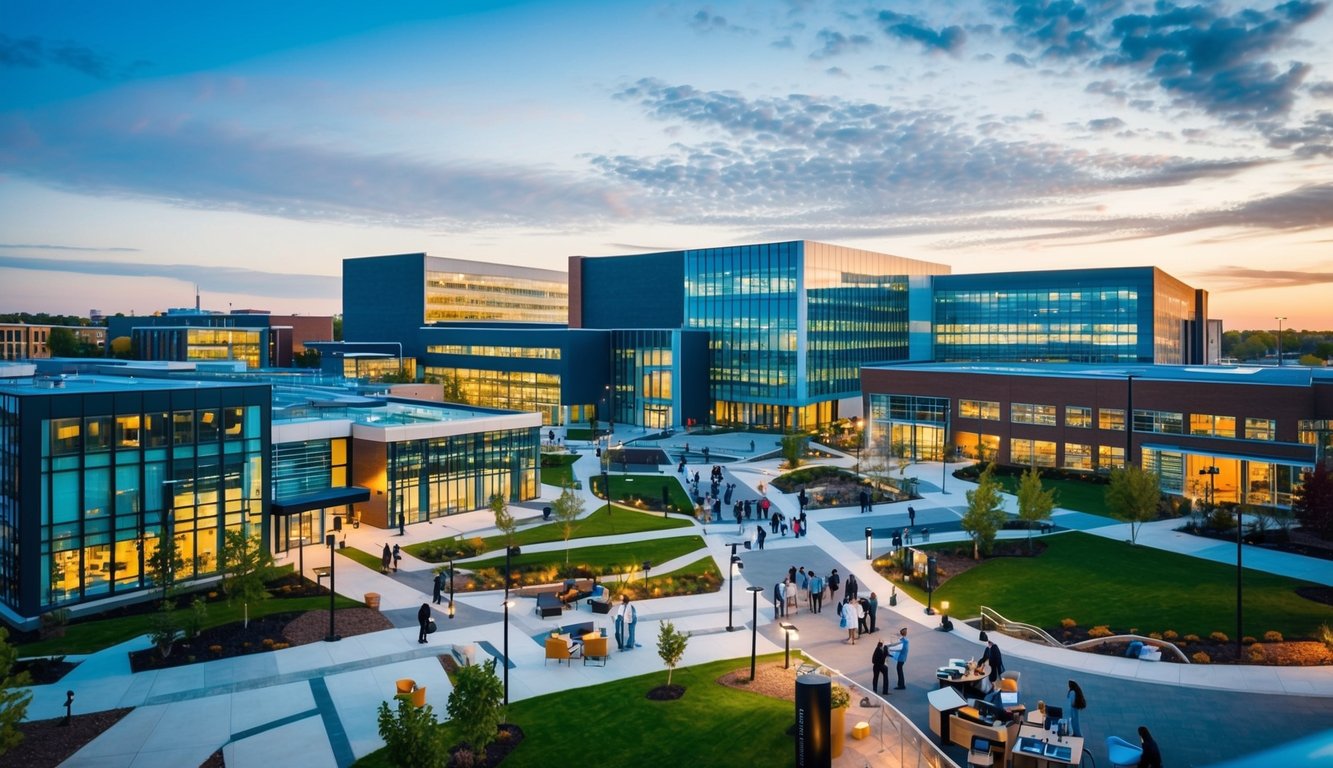
Carnegie Mellon University consistently drives innovation through groundbreaking research and industry partnerships.
Its contributions extend across technology, arts, and business sectors, creating real-world impact that has helped earn its place among Forbes’ New Ivies.
Technology and Innovation
Carnegie Mellon’s technological contributions have revolutionized multiple industries a the level of the finest schools of higher education.
The university’s Computer Science Department ranks among the world’s best, pioneering advancements in artificial intelligence, robotics, and cybersecurity.
The Robotics Institute, founded in 1979, remains the largest university-based robotics research center globally.
Its innovations include self-driving vehicles, medical robots, and space exploration technologies that NASA regularly deploys.
Key Industry Partnerships:
- Google – Established research facilities near campus
- Uber – Advanced Technologies Group collaboration
- Meta – AI research initiatives
- Amazon – Machine learning and logistics projects
CMU’s Software Engineering Institute works closely with the Department of Defense on critical cybersecurity initiatives, protecting national infrastructure from emerging threats.
You’ll find CMU graduates at virtually every major tech company.
Their expertise is so valued that employers routinely compete for talent at CMU’s career fairs, often offering premium salary packages.
Arts and Humanities Impact
Despite its tech reputation, Carnegie Mellon’s College of Fine Arts has transformed creative industries worldwide.
The School of Drama consistently ranks among the top theater programs globally, producing Tony Award winners and entertainment innovators.
The university pioneered the integration of technology and arts through its Entertainment Technology Center (ETC).
This unique program, similar to those at Vanderbilt, prepares students for real-world challenges. bridges technical and creative disciplines, producing graduates who transform gaming, virtual reality, and digital entertainment industries.
Notable Creative Contributions:
- Pioneering work in motion capture technology
- Innovations in digital design tools
- Development of immersive storytelling techniques
- Creation of educational technology platforms
The Miller Institute for Contemporary Art serves as an important cultural hub, where technology and artistic expression merge to address contemporary social issues, similar to initiatives at Johns Hopkins.
This fusion approach gives CMU graduates unique perspectives that traditional arts programs that public and private institutions can’t match.
Business Leadership
Carnegie Mellon’s Tepper School of Business has redefined management education by integrating analytical approaches with leadership development.
Its MBA program consistently ranks among the top 20 nationally, with particular strength in quantitative analysis.
The school’s emphasis on data-driven decision making prepares business leaders who can navigate complex technological environments.
This approach has become increasingly valuable as industries undergo digital transformation.
Key Business Contributions:
- Development of management science techniques
- Innovation in financial modeling tools
- Creation of supply chain optimization methods
- Advancement of behavioral economics theories
You’ll find CMU business graduates leading tech giants, consulting firms, and financial institutions.
Companies like Goldman Sachs, McKinsey, and Amazon actively recruit from Tepper due to graduates’ unique blend of technical and leadership skills, comparable to job placements at the University of Chicago.
The Swartz Center for Entrepreneurship has supported hundreds of successful startups, generating billions in economic impact and thousands of jobs.
This entrepreneurial ecosystem makes Carnegie Mellon a recognized force in new business development.
Campus Life and Student Experience
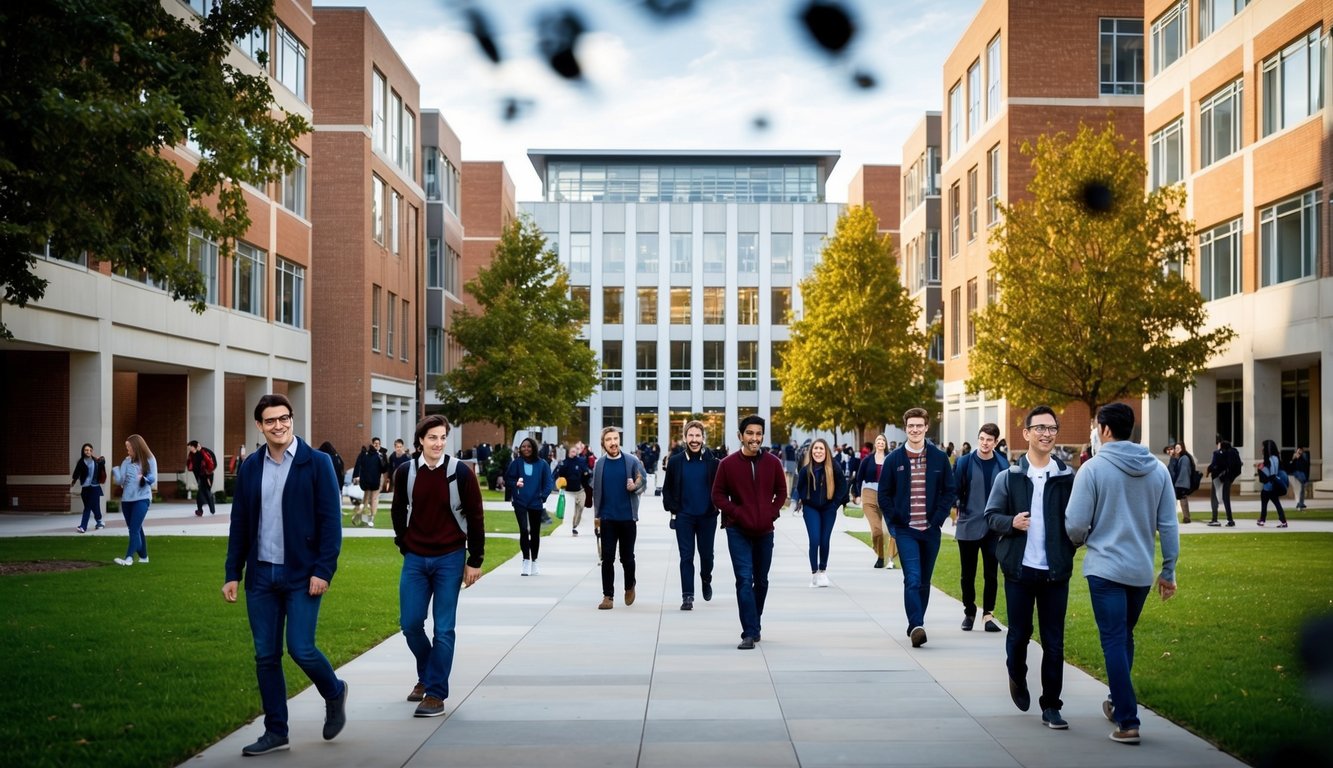
Carnegie Mellon University offers a dynamic and diverse campus life that supports academic growth while fostering personal development.
Students enjoy access to hundreds of organizations, modern residential options, and comprehensive campus resources designed to enhance their college experience.
Student Organizations
Carnegie Mellon boasts over 300 student-run organizations that cater to various interests and passions.
From the Scotch’n’Soda Theatre group to the Robotics Club has collaborations with students from both CMU and Northwestern., you’ll find communities that match your interests.
The university’s Spring Carnival is a beloved tradition featuring Booth, Buggy races, and other entertainment, drawing comparisons to events at the University of Pittsburgh.
This student-organized event showcases the creative spirit that defines CMU’s campus culture.
Cultural and identity-based groups flourish at Carnegie Mellon, reflecting its diverse student body.
The International Student Union hosts events throughout the year, including the popular International Festival at the University of Pittsburgh.
Unlike USC’s fraternity-dominated social scene or Stanford’s entrepreneurial focus, CMU’s organizations tend to emphasize creative collaboration and innovation.
Residential Living
Carnegie Mellon’s 20 residence halls range from historic buildings to modern complexes.
First-year students typically live in traditional dormitories like Morewood Gardens or Donner House.
Upper-class housing options include apartment-style living in places like Fairfax Apartments and Neville Apartments.
About 51% of undergraduate students live on campus, creating a vibrant residential community.
The Residence Hall Council organizes events throughout the year, from study breaks to holiday celebrations.
Each housing area has dedicated residential advisors who provide support and build community.
Carnegie Mellon offers specialty housing communities focusing on topics like wellness, arts, and global perspectives.
These living-learning communities connect students with similar interests.
Campus Resources
The University Health Services provides comprehensive medical care, counseling, and wellness programs.
Their CAPS program (Counseling and Psychological Services) offers individual therapy, group sessions, and workshops.
Carnegie Mellon’s Career and Professional Development Center helps with internship searches, resume reviews, and job placement.
They host several career fairs that attract top employers like Google, Apple, and Goldman Sachs.
The Computing Services department maintains high-speed internet throughout campus and operates multiple computer clusters, similar to the facilities at Purdue.
You’ll have access to specialized technology resources relevant to your field of study.
Academic support comes through the Academic Development Center, offering tutoring, study groups, and time management workshops.
Their Supplemental Instruction program provides peer-led review sessions for challenging courses.
Dining options include all-you-can-eat facilities like Schatz Dining Room and cafés like La Prima Espresso. Meal plans are flexible and accommodate various dietary needs and preferences.
Looking Forward: The Future of Carnegie Mellon University
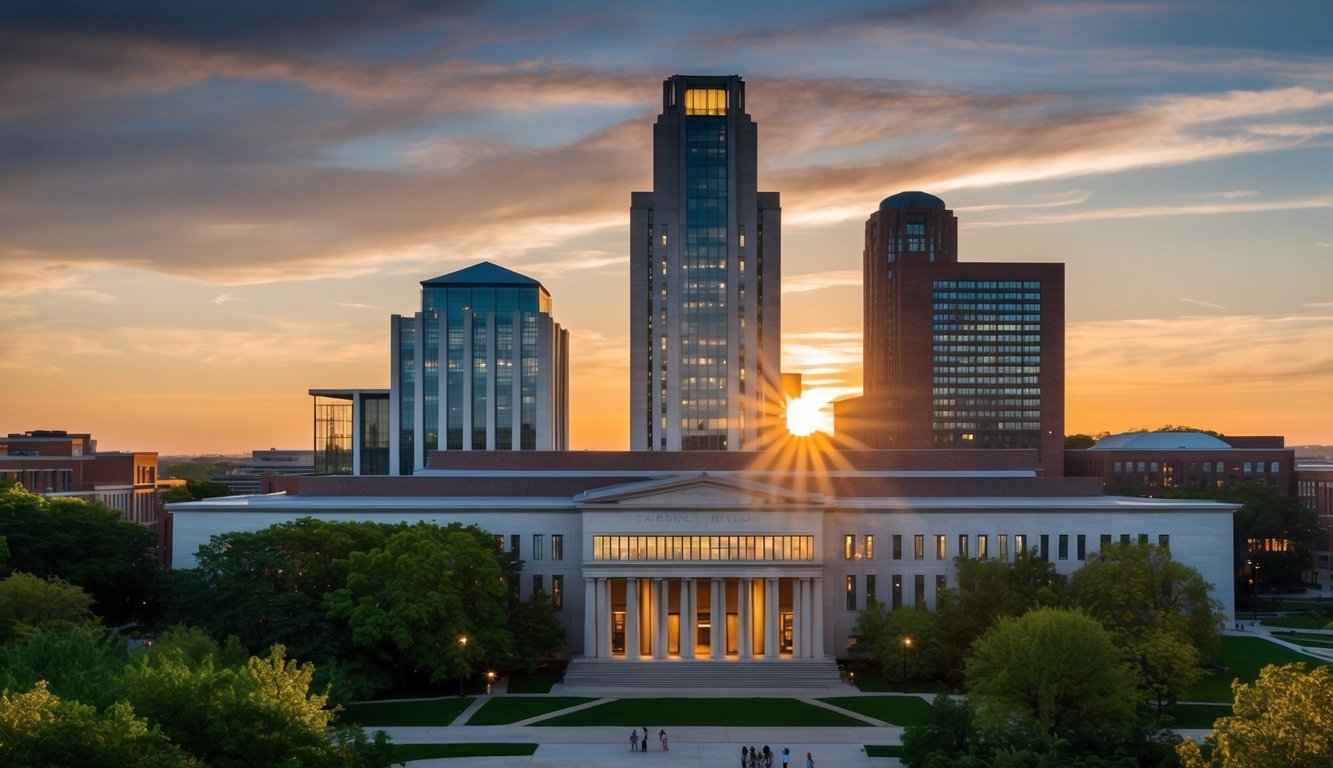
Carnegie Mellon University is positioned for remarkable growth through strategic initiatives, expanded global partnerships, and ambitious sustainability goals that align with those of Emory, that will further cement its status as a Forbes New Ivy.
Strategic Developments
CMU’s future is shaped by its 2030 Strategic Plan, focusing on expanding interdisciplinary collaboration across its renowned schools.
You’ll see significant investments in artificial intelligence, robotics, and quantum computing facilities over the next five years, with a $250 million expansion planned for the School of Computer Science.
The university is developing a new Innovation District adjacent to campus, creating spaces where students can connect with peers from Pitt and other institutions. collaborate with industry partners like Google, Apple, and Microsoft.
This district will feature startup incubators and research facilities.
Faculty expansion is another priority, with plans to hire 100+ new professors by 2028, particularly in emerging tech fields.
This growth will help maintain CMU’s impressive 10:1 student-to-faculty ratio.
Global Outreach
CMU is dramatically expanding its initiatives to compete with institutions like Johns Hopkins University. international presence beyond existing campuses in Qatar, Rwanda, and Australia.
New partnerships with universities in Singapore, South Korea, and Germany will create exciting study abroad opportunities for you.
The university plans to increase international student enrollment from the current 41% to approximately 45% by 2027, creating a more diverse learning environment.
You’ll benefit from this global community that brings together perspectives from over 90 countries.
Distance learning initiatives are being enhanced with cutting-edge technologies, allowing you to take courses from CMU professors worldwide.
The university’s Global Learning Alliance will connect you with students at partner institutions for collaborative projects addressing global challenges.
Sustainability Initiatives
CMU has committed to achieving carbon neutrality by 2030, implementing a comprehensive sustainability strategy across all campus operations.
Solar installations on campus buildings will generate 40% of electricity needs by 2028.
The university is designing three new LEED Platinum certified buildings that will serve as living laboratories for sustainability research.
You’ll have opportunities to participate in green innovation through these facilities.
Curriculum integration is a key focus at CMU, enhancing connections with universities like Notre Dame. of sustainability principles across all disciplines is underway.
New programs like the Master of Sustainable Engineering and Climate Innovation Certificate will prepare you for careers addressing environmental challenges.
A student-led Campus Sustainability Fund provides grants for projects that reduce CMU’s environmental footprint.
Recent initiatives include a bike-sharing program and campus-wide composting system, similar to those at other public universities.
Frequently Asked Questions
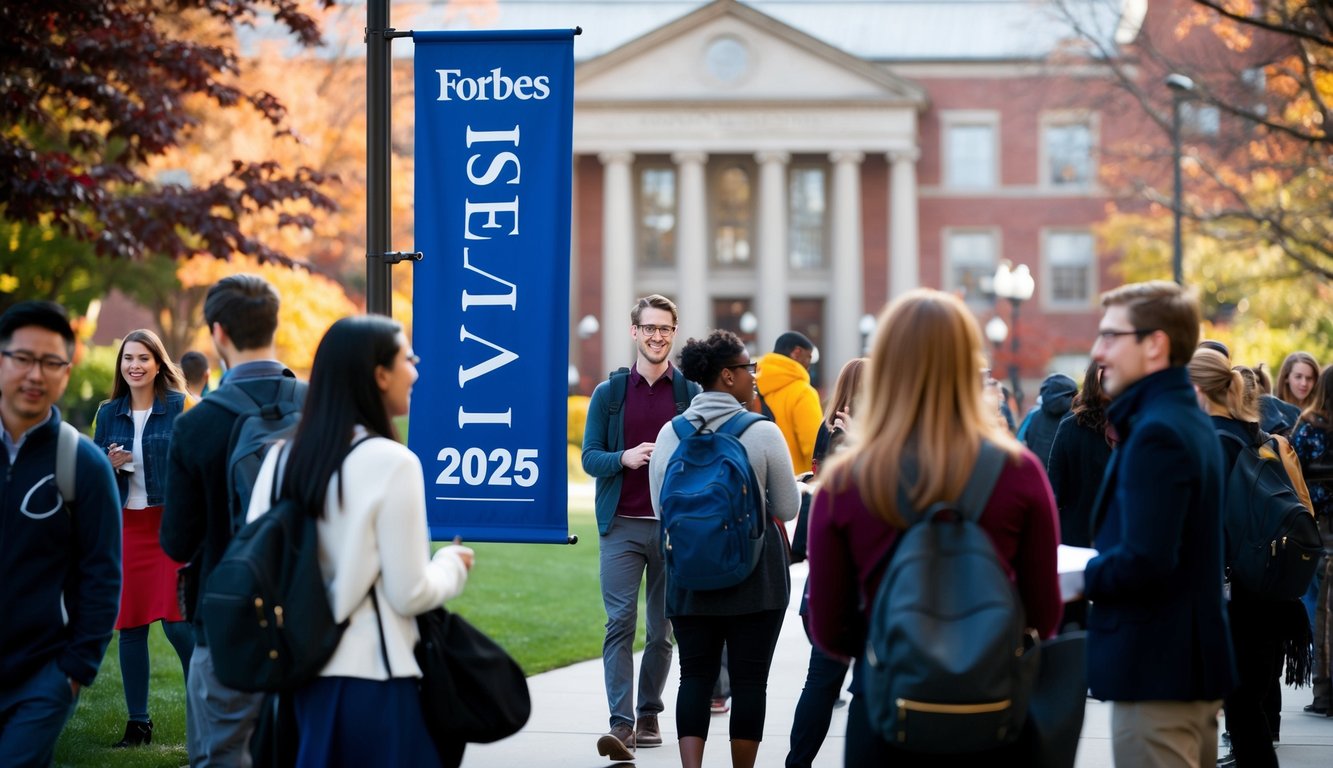
Carnegie Mellon University’s inclusion in Forbes’ New Ivies 2025 list has generated significant interest among prospective students and their families.
The following questions address the key aspects of CMU’s prestigious ranking that positions CMU alongside top public universities., admission standards, and academic standing.
What criteria does Forbes use to rank universities in the ‘New Ivies’ list for 2025?
Forbes evaluates institutions based on multiple factors when creating their New Ivies list. These include academic rigor, employer preferences, graduate outcomes, and research contributions.
For the 2025 list, Forbes particularly emphasized schools whose graduates are highly sought after in the job market.
They analyzed hiring patterns at top companies and surveyed employers about which non-Ivy institutions, including Johns Hopkins, produce graduates with comparable or superior skills.
Schools on the list also demonstrated exceptional faculty credentials, research output, and innovative program offerings that rival traditional Ivy League institutions.
How competitive is the admissions process for Carnegie Mellon University as of 2025?
Carnegie Mellon’s admissions process has become increasingly selective, rivaling that of Washington University.
As of 2025, CMU’s overall acceptance rate has dropped to approximately 11%.
Some programs like Computer Science and Robotics accept less than 7% of applicants.
The middle 50% of admitted students achieve SAT scores between 1500-1560 and ACT scores between 34-36.
These metrics place CMU’s admissions standards on par with many Ivy League institutions.
Successful applicants typically demonstrate exceptional academic achievement, significant extracurricular involvement, and clear passion for their chosen field of study.
The university values creative problem-solvers who show evidence of innovation and leadership.
What factors contribute to the comparison between Carnegie Mellon University and traditional Ivy League schools?
Carnegie Mellon’s world-class reputation in computer science, robotics, and artificial intelligence places it ahead of several Ivy League schools in these disciplines.
CMU’s School of Computer Science consistently ranks among the top programs globally.
The university’s research output and industry partnerships rival those of traditional Ivies.
CMU secures approximately $386 million in annual research funding, comparable to Cornell and Princeton.
Faculty excellence is another key factor.
CMU boasts 19 Nobel laureates affiliated with the institution, alongside numerous Turing Award winners, particularly in computer science and economics.
Career placement metrics show that CMU competes effectively with institutions like Georgetown and Tufts. CMU graduates earning starting salaries averaging $92,500 across all disciplines, with computer science and engineering graduates often exceeding $120,000 – figures that match or exceed those from traditional Ivy institutions.
What are the current acceptance rates for Ivy League schools and how does Carnegie Mellon’s compare?
The traditional Ivy League schools maintain extremely competitive acceptance rates.
Harvard, Princeton, and Yale hover around 4-5%, while Cornell and Dartmouth accept approximately 7-8% of applicants.
Carnegie Mellon’s overall acceptance rate of 11% places it in similar territory to the more accessible Ivy institutions. However, certain CMU programs have acceptance rates as low as 4-6%.
When comparing specific programs, CMU’s School of Computer Science (5.7% acceptance) and College of Fine Arts (7.2% acceptance) are actually more selective than corresponding departments at several Ivy League institutions.
In terms of academic reputation and student outcomes, how does Carnegie Mellon stand amongst the top-tier universities?
Carnegie Mellon excels in STEM disciplines, particularly computer science, robotics, and artificial intelligence, where it consistently ranks in the top 3 programs nationally.
Its School of Drama and fine arts programs also rank among the nation’s best.
Graduate outcomes show impressive results.
Within six months of graduation, 94% of CMU students are either employed or pursuing advanced degrees. The median starting salary across all majors is $92,500.
CMU’s research impact, measured by citations and industry applications, exceeds that of several Ivy League institutions in computer science, engineering, and business analytics fields.
What measures has Carnegie Mellon University implemented to maintain its standing in the ‘New Ivies’ category?
Carnegie Mellon has significantly increased investment in faculty recruitment. This has helped attract top researchers and educators from around the world.
The university added 47 endowed faculty positions between 2022-2025.
Infrastructure development remains a priority. Over $300 million has been dedicated to new research facilities.
This includes the expanded Robotics Innovation Center and the Advanced Computing Research Complex.
The university has also strengthened industry partnerships. This creates more opportunities for students to engage with potential employers.
The Career and Professional Development Center now connects with over 1,200 companies annually through recruitment events and collaborative projects.
CMU has also expanded financial aid initiatives. This includes increasing its commitment to need-blind admissions and meeting full demonstrated need for domestic students. This helps attract top talent regardless of financial background.
Forbes New Ivies 2025 Carnegie Mellon shines in top research and STEM with several top nationwide programs in computer science, robotics and artificial intelligence, while producing graduating students highly sought after by top employers in the technology and entrepreneurial ecosystems, exceeding the credentials of top Ivy Leagues job candidates.
