
Mental Health Scholarships: 2025-2026 Funding Opportunities for Students in Psychology and Counseling
Looking for the best mental health scholarships for 2026?
Mental health scholarships offer cash that can make those educational dreams come true.
These awards boost students aiming to work in mental health, easing the money stress and opening doors to future opportunities.
Discover how funding can turn passion into a real career. Keep reading to find out how to grab these valuable awards before they slip away.
Many organizations offer funding to support future mental health professionals.

Mental health is a growing concern. Nearly 30% of young adults have a mental health condition.
This creates a need for more trained professionals. Scholarships encourage students to enter mental health careers.
They ease the financial burden of education.
Getting a mental health scholarship can make a big difference. It may cover tuition, books, or living expenses. This allows you to focus on your studies instead of money worries.
Mental health scholarships range from $500 to full tuition coverage. Some even provide internship or networking chances.
Key Takeaways
- Mental health scholarships support students pursuing careers in the field
- Awards can cover various education costs and provide career opportunities
- Applying for multiple scholarships increases your chances of receiving aid
Understanding Mental Health Scholarships

Mental health scholarships help students with mental health conditions pay for college. They come in different types and have specific rules for who can apply.
Eligibility Criteria
To get a mental health scholarship, you need to meet certain requirements. Many ask for:
• A diagnosed mental health condition
• Proof of your condition from a doctor
• Plans to study mental health or a related field
• A minimum GPA (often 3.0 or higher)
• An essay about your experiences with mental illness
Some scholarships focus on specific conditions like depression, anxiety, or bipolar disorder.
Others are open to any mental health diagnosis. Check each scholarship’s rules carefully.
Types of Mental Health Scholarships
There are several kinds of mental health scholarships:
• General mental health: Open to students with any mental health condition
• Condition-specific: For students with disorders like PTSD or eating disorders
• Field of study: For those majoring in psychology, counseling, or social work
• Advocacy: For students who raise awareness about mental health
Award amounts vary from $500 to $10,000 or more. Some are one-time awards, while others renew each year.
You can often use the money for tuition, books, or living expenses.
Scholarship Application Process

Applying for mental health scholarships requires careful preparation and a compelling personal statement.
These steps can boost your chances of winning financial aid for your education.
Preparing Your Application
Start by gathering all required documents early. Check application deadlines and make a schedule to submit on time.
Get official transcripts from your school. Ask teachers or counselors for strong recommendation letters.
Make copies of your ID, tax forms, and proof of any mental health diagnoses if needed.
Create a list of your activities, awards, and volunteer work. Focus on experiences related to mental health.
Highlight leadership roles and community service. Update your resume to showcase relevant skills and accomplishments.
Look closely at each scholarship’s rules. Some may need essays, interviews, or portfolios.
Follow all guidelines carefully. Double-check that you meet eligibility requirements before applying.
Writing the Personal Statement
Your personal statement is key to standing out. Be honest about your experiences with mental health.
Explain how they shaped you and your goals. Share specific examples of challenges you’ve faced and overcome.
Describe why you’re passionate about mental health. Talk about your future plans in the field. Show how the scholarship will help you reach your goals.
Be clear and specific about your career aims.
Keep your tone positive and hopeful. Focus on your strengths and growth. Avoid overly dramatic language. Use simple, clear writing.
Ask others to review your statement and give feedback.
Tailor each statement to fit the scholarship’s mission. Research the organization and align your goals with theirs.
Show how you’ll use the award to make a difference in mental health.
Scholarship Programs for High School Seniors
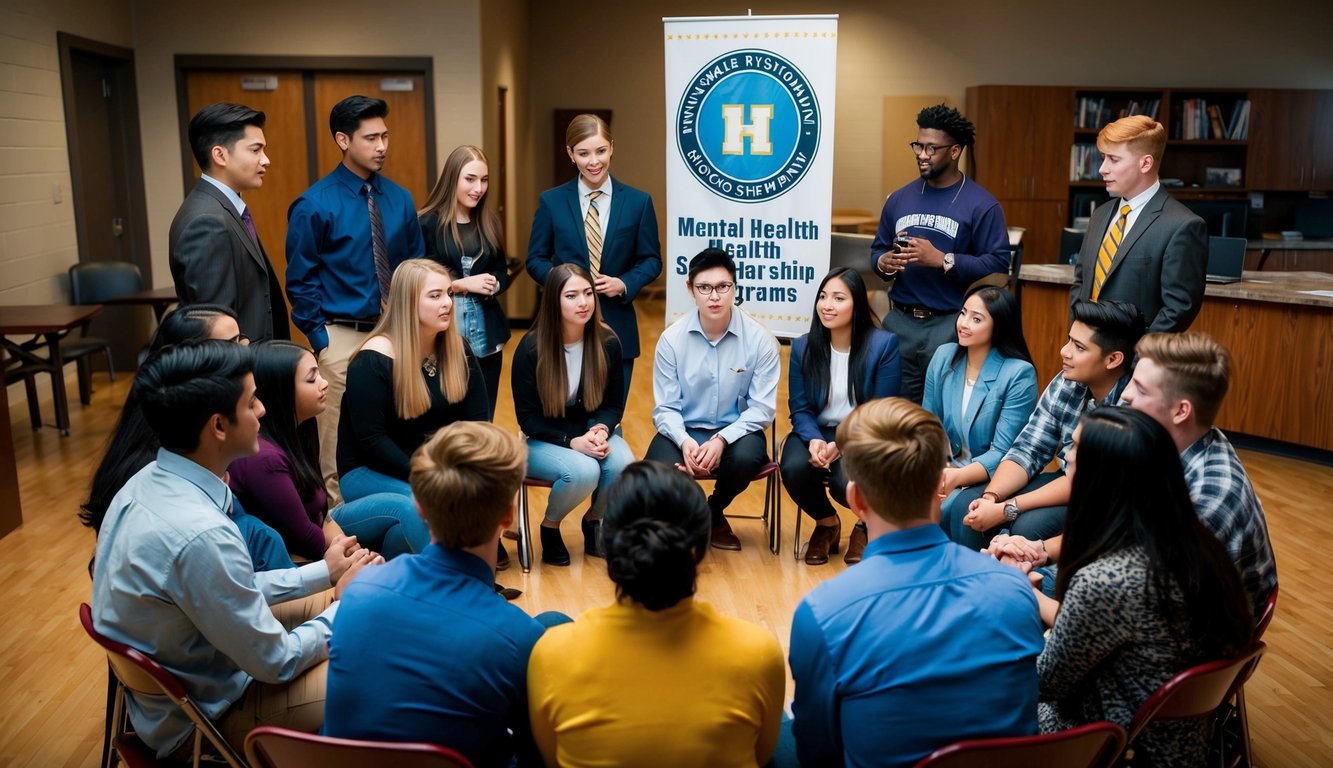
High school seniors have many scholarship options to help pay for college. These programs can make higher education more affordable and accessible.
Scholarship Search Strategies
Start your search early in your senior year. Use online scholarship databases to find matches.
Make a list of scholarships you qualify for. Check the requirements and deadlines. Apply to as many as you can.
Look for local scholarships too. Ask your guidance counselor about options. Check with community groups, businesses, and religious organizations in your area.
Create a strong application. Highlight your achievements, volunteer work, and goals. Ask teachers or mentors to review your essays. Submit all materials on time.
No Essay Scholarships
Some scholarships don’t require an essay. These can be easier to apply for. The Scholarships360 $10,000 “No Essay” Scholarship is open to all students.
Here are some other no essay options:
- $2,000 Niche No Essay Scholarship
- $2,500 ScholarshipOwl No Essay Scholarship
- $1,000 CollegeXpress Scholarship
To apply, you often just need to fill out a form. Some ask you to join their site. Read the rules carefully.
Make sure you meet all criteria before applying.
These scholarships may have more applicants. Your odds of winning can be lower. But they take less time to enter. It’s worth adding some to your list.
Financial Aid and Support Networks

Students with mental health conditions have options for financial help and support. Schools and communities offer resources to assist with college costs and mental wellness.
Working with Your Financial Aid Office
Your school’s Financial Aid Office can be a key ally. They can help you find scholarships, grants, and loans for students with mental health needs.
Many schools have special funds for students with mental health conditions.
Set up a meeting with a financial aid advisor. b
Be open about how your condition impacts your finances. The more they know, the better they can help you.
Accessing Community Resources
Look beyond campus for support. Many groups offer help for students with mental health needs.
Local mental health clinics may have low-cost services. Some offer sliding scale fees based on income. Check if they have student discounts.
Nonprofits like Active Minds support mental health on campuses. They may know of scholarships or other aid.
Public libraries often have free mental health resources. They may offer:
• Support groups
• Meditation classes
• Financial workshops
Don’t forget online options. Many sites list mental health scholarships. Set up alerts for new listings that fit your needs.
Specialized Psychology Scholarships

Psychology students can find financial support through targeted scholarships. These awards help pay for school and often recognize academic merit or research interests.
Undergraduate Psychology Scholarships
The Sharon Stephens Brehm Undergraduate Psychology Scholarships offer $5,000 to top students.
These awards go to psychology majors who show academic excellence and research potential.
To qualify, you need:
• A strong GPA (usually 3.5+)
• Research experience
• Leadership in psychology clubs or activities
Pro tip: Start research projects early to boost your chances.
Many schools also have their own psychology scholarships. Check with your department about local awards.
These often have less competition than national scholarships.
Graduate Psychology Scholarships
Graduate students in psychology have unique funding options. The American Psychological Association (APA) offers several scholarships for doctoral students.
Key graduate scholarships include:
• APA Minority Fellowship Program: Supports ethnic minority students
• F.J. McGuigan Dissertation Award: $2,000 for research on mind-body topics
• APF Graduate Student Scholarships: Various awards up to $5,000
Did you know? Many PhD programs offer full funding through assistantships. This can cover tuition and living costs.
To win graduate scholarships, focus on:
• Strong research proposals
• Clear career goals in psychology
• Volunteer work or internships in mental health
Advancing Mental Health Awareness in Higher Education
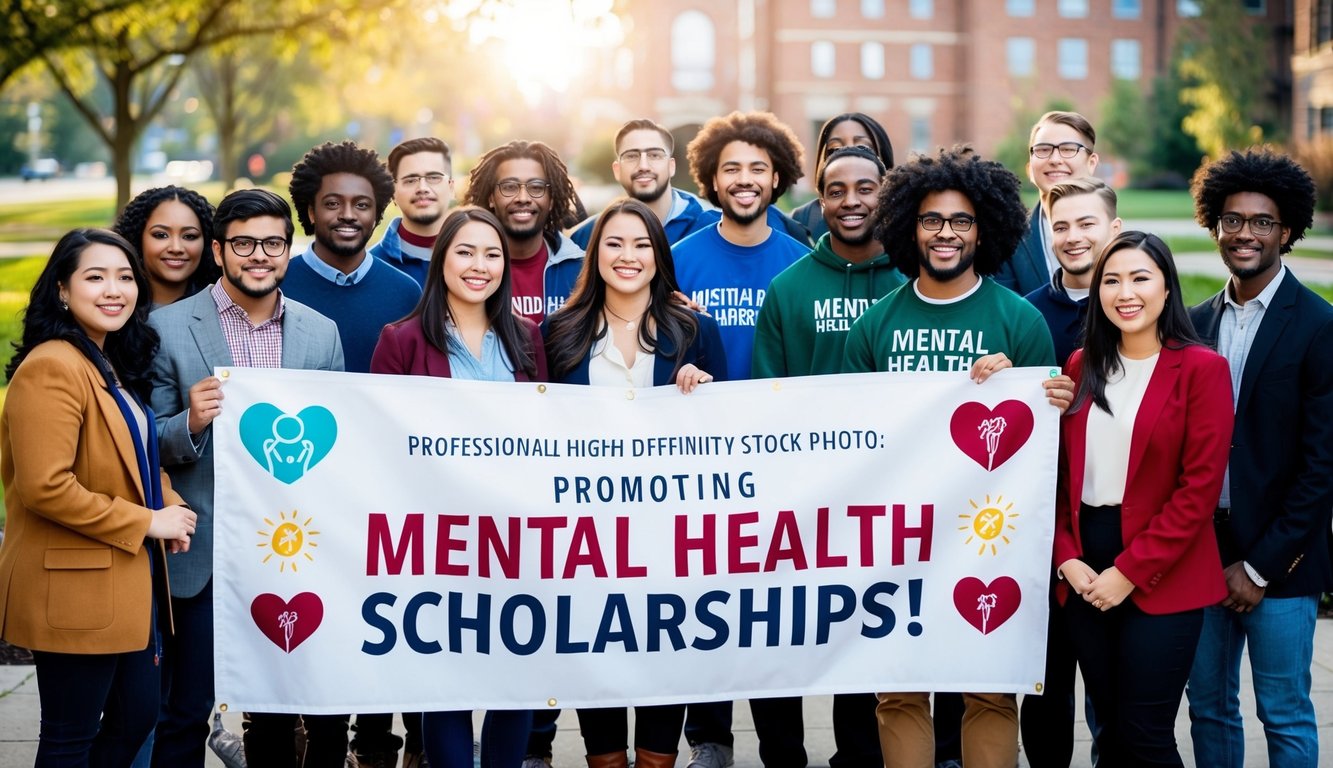
Colleges are taking steps to support student mental health. These efforts include adding mental health topics to classes and creating wellness programs on campus.
Integration of Mental Health in Curriculum
Many schools now teach about mental health in different subjects. Psychology classes cover disorders and treatments.
Nursing programs train students to spot mental health issues. Some English courses use books that talk about mental health.
Teachers get training to notice students who may need help. They learn how to talk to students about mental problems.
Some schools have started peer support programs. Students learn to help classmates who are struggling.
Schools want to reduce stigma around mental health. Open talks in class can make it normal to discuss feelings. This helps students feel more comfortable getting help when they need it.
Promoting Campus Wellness Programs
Colleges offer many ways for students to stay mentally healthy. Most have counseling centers where students can talk to experts.
Some schools give free yoga or meditation classes. These teach ways to relax and manage stress.
Many campuses have quiet spaces for students to unwind. They may offer free massages during exam weeks. Some schools started programs to help students sleep better.
Student groups often run events about mental health. They may hand out info or host speakers.
The goal is to teach students how to take care of their minds. Schools want to catch problems early before they get worse.
Developing a Successful Scholarship Application Strategy

To win mental health scholarships, you need a strong plan. Here are key steps to boost your chances:
- Start early
- Research thoroughly
- Organize your materials
- Craft a compelling personal statement
- Get strong letters of recommendation
- Polish your application
Research: Look for scholarships that fit your goals and background. Check college websites, scholarship databases, and mental health organizations.
Organization: Make a list of deadlines and required documents for each scholarship.
Keep your transcripts, test scores, and financial info ready.
Personal Statement: Tell your story. Share why mental health matters to you and how you plan to make a difference in the field.
Letters: Ask teachers or mentors who know you well. Give them plenty of time and info about your goals and achievements.
Polish: Proofread everything. Ask someone else to review your application too. Make sure it’s error-free and clearly shows why you deserve the scholarship.
Pro Tip: Tailor each application to the specific scholarship. Show how you meet their criteria and share their values.
Remember, persistence pays off. Apply to many scholarships to increase your odds. Good luck in your search for graduate school scholarships in mental health!
Learning from Personal Experiences

Mental health challenges can be tough. Your own experiences can help you win scholarships. Many mental health scholarships want to hear your story.
Writing about your struggles takes courage. Be honest about what you’ve faced. Talk about how you’ve grown. Share what you’ve learned.
Here are some tips for sharing your experiences:
• Be specific about your challenges
• Explain how you’ve coped and improved
• Describe how your experiences shaped your goals
• Show how you want to help others
The Naja Graduate Scholarship looks for students from diverse backgrounds. They want to hear your unique perspective. Your personal story can set you apart.
Remember, your experiences are valuable. They’ve made you who you are. Use them to show why you deserve support for your education.
Scholarships often ask for essays. This is your chance to shine. Paint a picture of your journey with mental health. Make it real and honest.
You’re not alone in your struggles. Many students face similar issues. By sharing, you can inspire others.
You might even help change how people think about mental health.
Frequently Asked Questions

Mental health scholarships offer diverse opportunities for students pursuing careers in this field. These programs support various educational levels and cater to different needs.
What scholarships are available for college students studying mental health?
College students have many options for mental health scholarships. The Scholarships for Disadvantaged Students program supports students in behavioral and mental health programs.
Some schools offer their own mental health scholarships to help students in this field.
Mental health organizations also provide funding. These groups aim to boost the number of trained professionals in the field.
Are there specific mental health scholarships offered to high school students?
High school students can find mental health scholarships too. Some programs focus on teens who plan to study psychology or counseling in college.
Local mental health groups often offer scholarships to high schoolers in their area. These can help you start your mental health education journey.
What are some fully funded scholarships for those pursuing a career in mental health?
Fully funded mental health scholarships cover all your school costs. The Mental Health Research UK PhD Scholarships is one such program. It pays for tuition and gives you a living stipend.
Some universities offer full rides to top mental health students. Check with schools you’re interested in to see what they provide.
Which scholarships cater to students with depression and anxiety?
Students with depression and anxiety can find scholarships made just for them. These programs aim to support students dealing with mental health issues while pursuing their education.
Some mental health groups offer awards to students who have overcome these challenges. Your personal experience can be a strength in applying for these scholarships.
Are there scholarships tailored for women pursuing mental health fields?
Yes, there are scholarships for women in mental health studies. These programs aim to boost the number of women in mental health careers.
Women’s groups and mental health organizations often team up to offer these awards. They can help you pay for school and connect you with mentors in the field.
What resources are available for graduate students seeking scholarships in mental health?
Graduate students have many resources for finding mental health scholarships.
Your school’s financial aid office is a good place to start. They can point you to programs that fit your needs.
ULifeline is a helpful tool for finding mental health funding. It connects students with scholarships and other support.
Professional mental health groups also offer scholarships. Joining these groups can open doors to funding and networking chances.
View our BFFS Scholar Quest Content here!
- Part Time Data Entry Jobs
- Masters with Scholarships
- Recommendation Letter
- How to Study for the TOEFL
- Business Administration
